Moving to a new place is a milestone in itself for many people. Getting rid of a bitter ex is an even better one. But you know what else is common in both situations? The need to rekey your home.
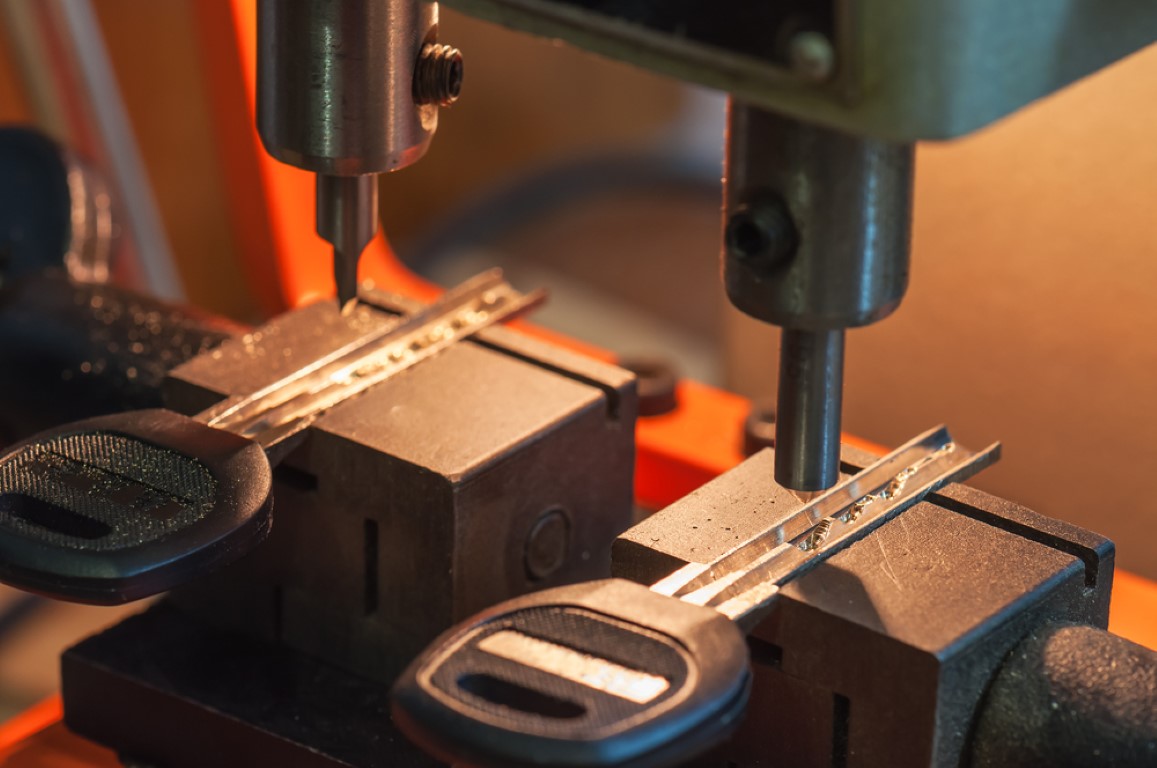
Rekey means changing the internal pins so your existing locks work with new keys and all the old keys become useless. This is an important precaution to take, since you never really know who else has access to your home.
Here’s why lock rekeying should be your first call to a residential locksmith in NYC.
When You Need to Rekey
1. You Just Moved Into a New Place
When you move into a new apartment or house, you have no idea how many copies of the keys exist.
Think about everyone who had legitimate access before you:
- Previous tenants or owners
- Real estate agents who showed the property
- Contractors who worked on renovations
- Cleaning crews
- Building maintenance staff
- Friends of previous tenants who had spare keys
Any of these people could have made copies. The only way to know for certain that nobody has unauthorized access is to rekey immediately after moving in.
2. You Lost Your Keys
If you lose your keys in your apartment, that’s annoying but not a security issue. If you lost them somewhere out in the city and have no idea where, that’s a problem.
Whoever finds those keys might have your address if they’ve found other belongings and a way into your home. Losing your keys is one of those situations where you rekey immediately.
3. Someone Moved Out Who Had Keys
Anyone who previously had access to your home and no longer should, needs to have their key access revoked. You might think you could trust them not to take advantage of the situation, but it’s rarely worth taking the chance.
4. You Just Had a Break-In
If someone broke into your home, whether they took anything or not, you need to evaluate all your security. That includes rekeying, because you don’t know how they got in. Changing your lock is an important part of making your home secure again.
Also Read: Securing Your Home While Traveling: Locksmith Recommendations
What Happens While Rekeying a Lock?
Step 1: Remove the Lock Cylinder
The locksmith removes the doorknob from the door. This usually requires removing a few screws.
Step 2: Take Apart the Cylinder
The cylinder gets opened up to expose the key pins inside. There’s a follower tool that holds everything in place while the locksmith works.
Step 3: Replace the Pins
The old pins get removed and replaced with a new set that corresponds to your new key.
Step 4: Test and Reassemble
The locksmith tests the new key in the cylinder to make sure all the pins align correctly, and the cylinder turns smoothly. Then everything gets reassembled and reinstalled in your door.
Step 5: Verify It Works
The locksmith tests the new key from both sides of the door to make sure it operates smoothly, and the old keys no longer work.
The whole process takes maybe 15 minutes per lock for an experienced locksmith.
How Often Should You Rekey Your Locks?
There’s not exactly a schedule to follow. You need to assess your situation.
If you’ve lost your keys, someone’s just moved out or your security situation has changed in any way, you need to rekey your locks immediately.
Some people might rekey their locks every few years. Most people rekey when there’s a specific reason. At a minimum, do it when you move and whenever someone loses access privileges.
Professional Lock Rekeying in NYC Starts Here!
The cost of rekeying your home is nothing compared to the potential cost of not doing it.
Rekeying your locks after moving in, after someone moves out, or after losing keys is a basic security measure that protects you and everything you care about.
If you need lock rekeying or any residential locksmith in NYC services, The NYC Locksmith provides professional rekeying for homes and apartments.
We offer upfront pricing, licensed technicians, same-day service, and can key all your locks alike for maximum convenience. Your home is where you should feel safest. Make sure the locks actually protect you.
Call us today, and we’ll do that for you!